Beyond Pixels: Why Pixomax Studio is the Gold Standard for 2026 AI Restoration
AI old photo restoration without the plastic look — Pixomax Neural Grain and semantic reconstruction enhance picture quality while preserving real skin texture. Repair damaged photos naturally in 2026.
Your grandmother's 1980s reunion photo should not look like a video-game character — yet that is exactly what most AI old photo restoration tools deliver: waxy cheeks, erased pores, and a uncanny sameness across every face. Pixomax Studio was built to repair damaged photos and enhance picture quality without the industry-wide "one-size-fits-all plastic" problem. In 2026, the difference comes down to two ideas most competitors skip entirely: Neural Grain and semantic reconstruction.
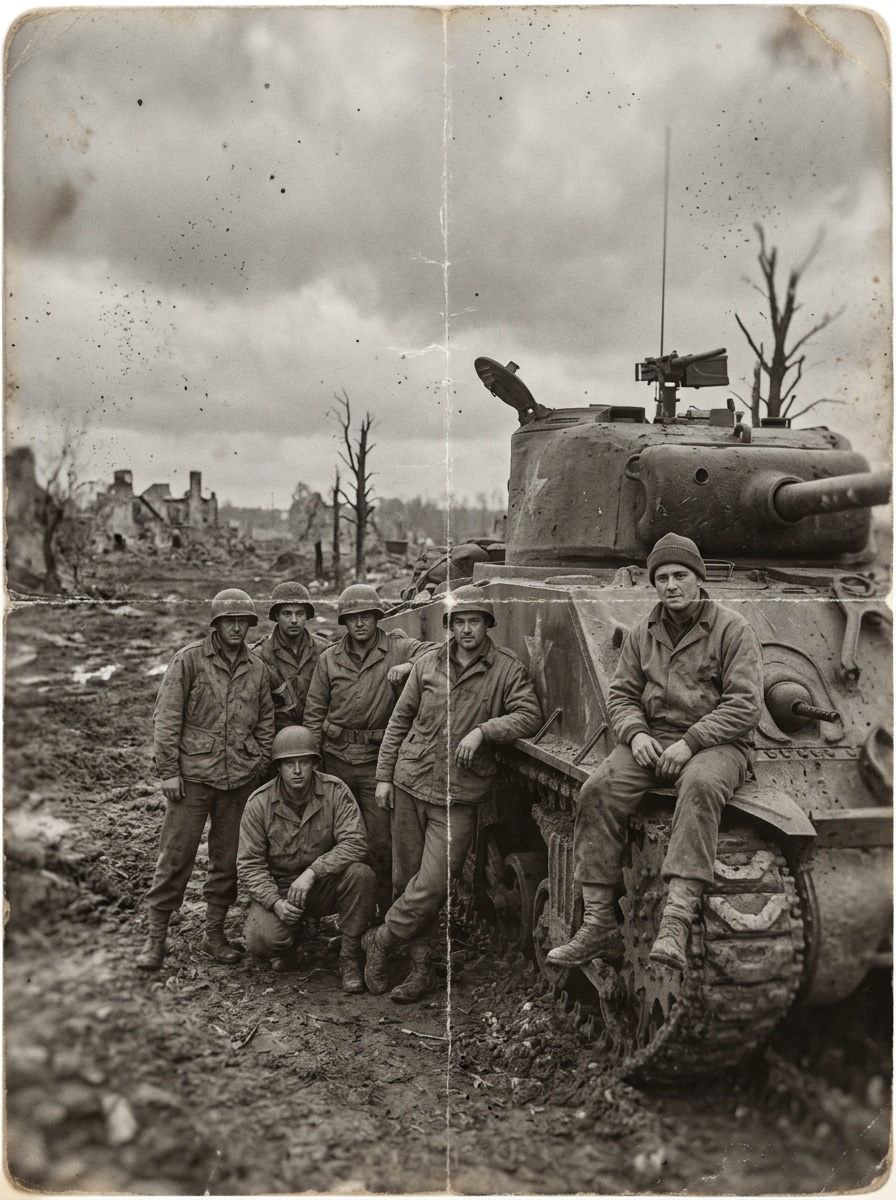 (opens in new tab)
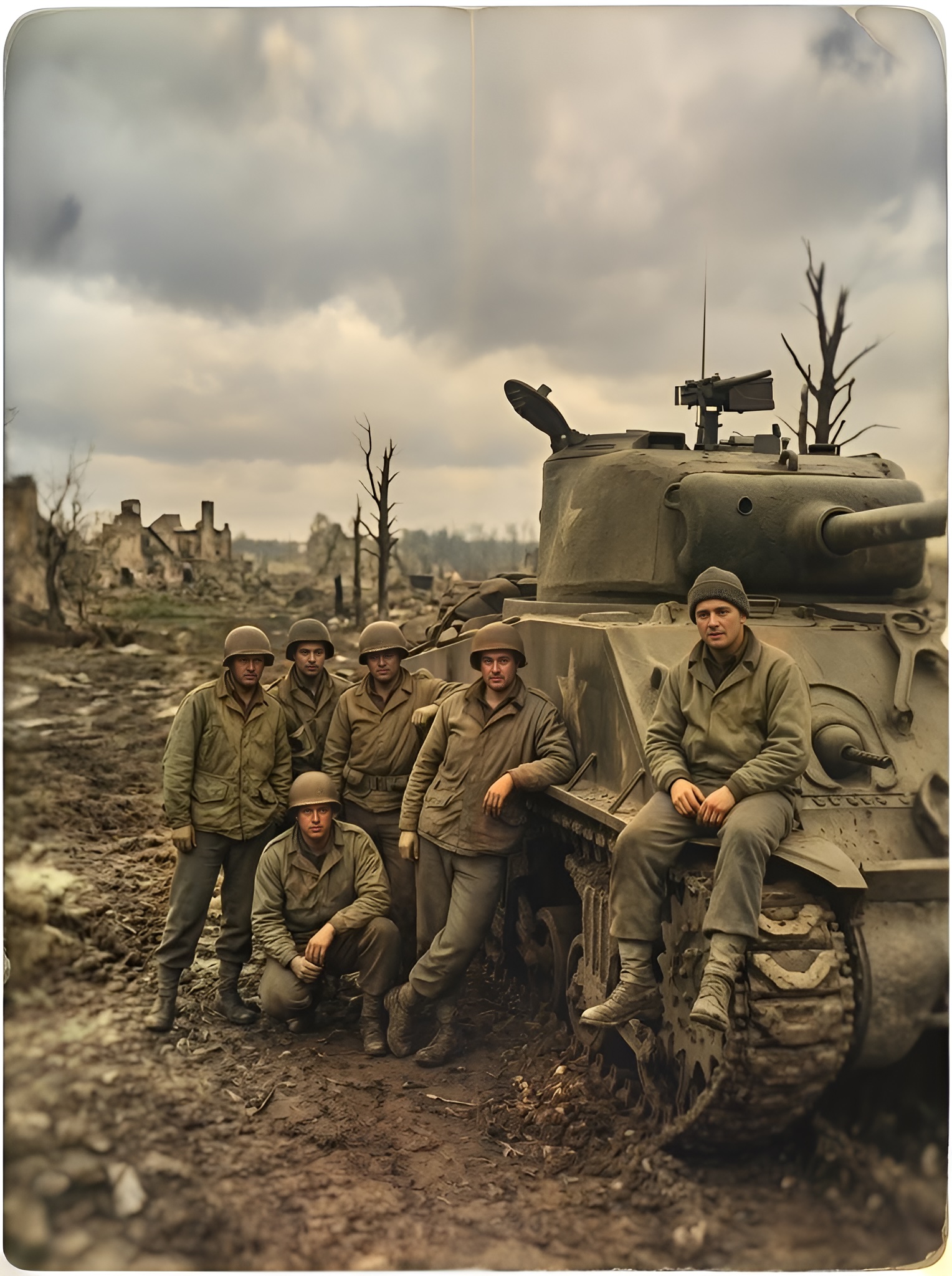 (opens in new tab)
Before: mosaic-soft 1980s faces. After: Pixomax semantic reconstruction — lashes and skin texture return without a beauty-filter finish.
Click any image to open full size in a new tab.
The plastic problem: why every face looks the same
Cheap restoration pipelines optimize for average smoothness. They treat skin as a flat surface to denoise — the same mistake early DeOldify Artistic weights made on formal portraits, amplified across commercial apps.
The result? Repair damaged photos and you still lose identity: freckles vanish, laugh lines melt, and cousins become interchangeable. That is not restoration — it is erasure.
Neural Grain: clarity without the wax museum
Neural Grain is Pixomax's answer to over-smoothing. After the model reconstructs detail through semantic inference, a grain-matching layer reintroduces the micro-structure of analog film:
- Silver-halide randomness on 1960s–80s color prints
- Subtle luminance noise that keeps cheeks from reading as CGI
- Per-image grain profiles — not a generic filter slapped on at export
Think of it as the opposite of a beauty app: you enhance picture quality by adding the texture that proves the image was real.
Semantic reconstruction vs. dumb upscaling
Traditional upscaling asks: "What color should this bigger pixel be?" It averages neighbors. Eyelashes become gray smears. Pores disappear into pink fog.
Semantic reconstruction asks: "What anatomical structure likely produced this blur?" Built on principles shared with latent diffusion models (LDMs) and modern Stable Diffusion img2img finetunes, Pixomax's pipeline:
- Segments facial regions (eyes, lips, skin zones)
- Re-synthesizes high-frequency detail within each semantic mask
- Blends reconstructed zones back into the global frame
- Applies Neural Grain so the finish matches the print era
Enable AI Clarity Boost (+2 credits) when you need this full stack — especially on group shots where multiple faces share one soft scan.
When to use Smart Damage Repair alongside clarity
Blur and physical damage often arrive together. Scratches create false edges that confuse upscalers. Pixomax Smart Damage Repair (+1 credit) runs before semantic reconstruction so the model reads structure, not scratch noise.
| Symptom | Recommended add-on |
|---|---|
| Soft faces, intact emulsion | AI Clarity Boost (+2) |
| Scratches + soft faces | Smart Damage Repair (+1) + Clarity Boost (+2) |
| Heavy tears through eyes | Manual inpaint first, then colorize + Clarity Boost |
Try Pixomax's professional-grade AI colorizer and inspect eyelashes at 100% zoom before downloading.
Why Pixomax is the 2026 gold standard
Restoration in 2026 is not about the sharpest thumbnail — it is about trust. Family historians, archivists, and creators need outputs that survive scrutiny at print size and on 4K displays.
Pixomax earns that trust by refusing the plastic default. Neural Grain preserves analog soul. Semantic reconstruction returns detail dumb upscalers never had. Together, they define what AI old photo restoration should mean.
Compare tools on our Pixomax vs ImageColorizer breakdown or read best AI photo colorizer 2026 rankings.
Frequently asked questions
Why do AI photo restorers make faces look plastic?
They smooth away grain and micro-texture. Pixomax Neural Grain restores authentic film structure after enhancement.
What is semantic reconstruction in photo restoration?
Context-aware detail inference — not pixel stretching. Related to Stable Diffusion img2img and LDM architectures used in modern colorization.
How does Pixomax differ from basic AI upscaling?
Upscaling enlarges blur. Pixomax AI Clarity Boost (+2 credits) reconstructs lashes, pores, and fabric weave semantically.
Can I repair damaged photos and enhance clarity in one step?
Enable Smart Damage Repair (+1) and AI Clarity Boost (+2) together on Try Pixomax's professional-grade AI colorizer.
Related guides
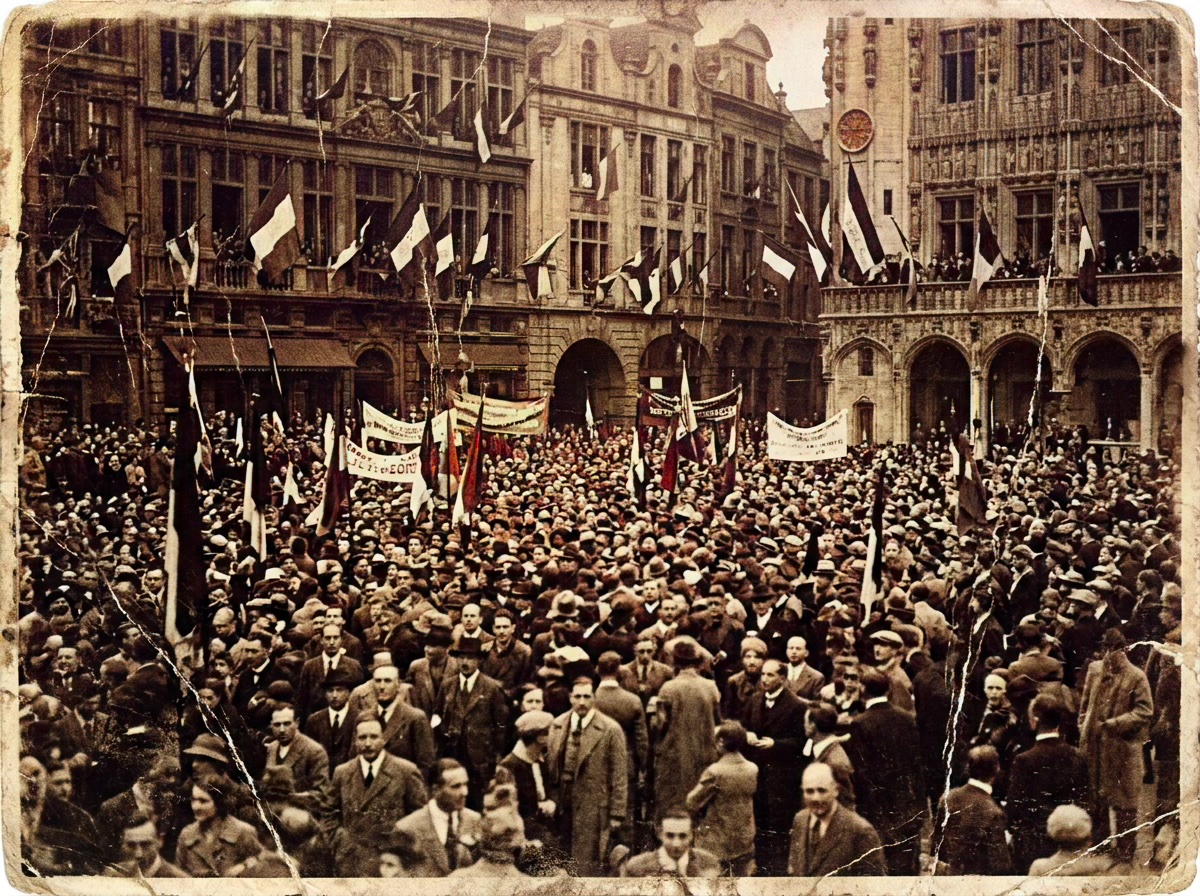 Living Portraits: Bringing Still Memories to Life with Pixomax AI Motion
Turn restored stills into living portraits — AI old photo restoration meets motion synthesis to repair damaged photos, enhance picture quality, and animate a gentle smile for sharing.
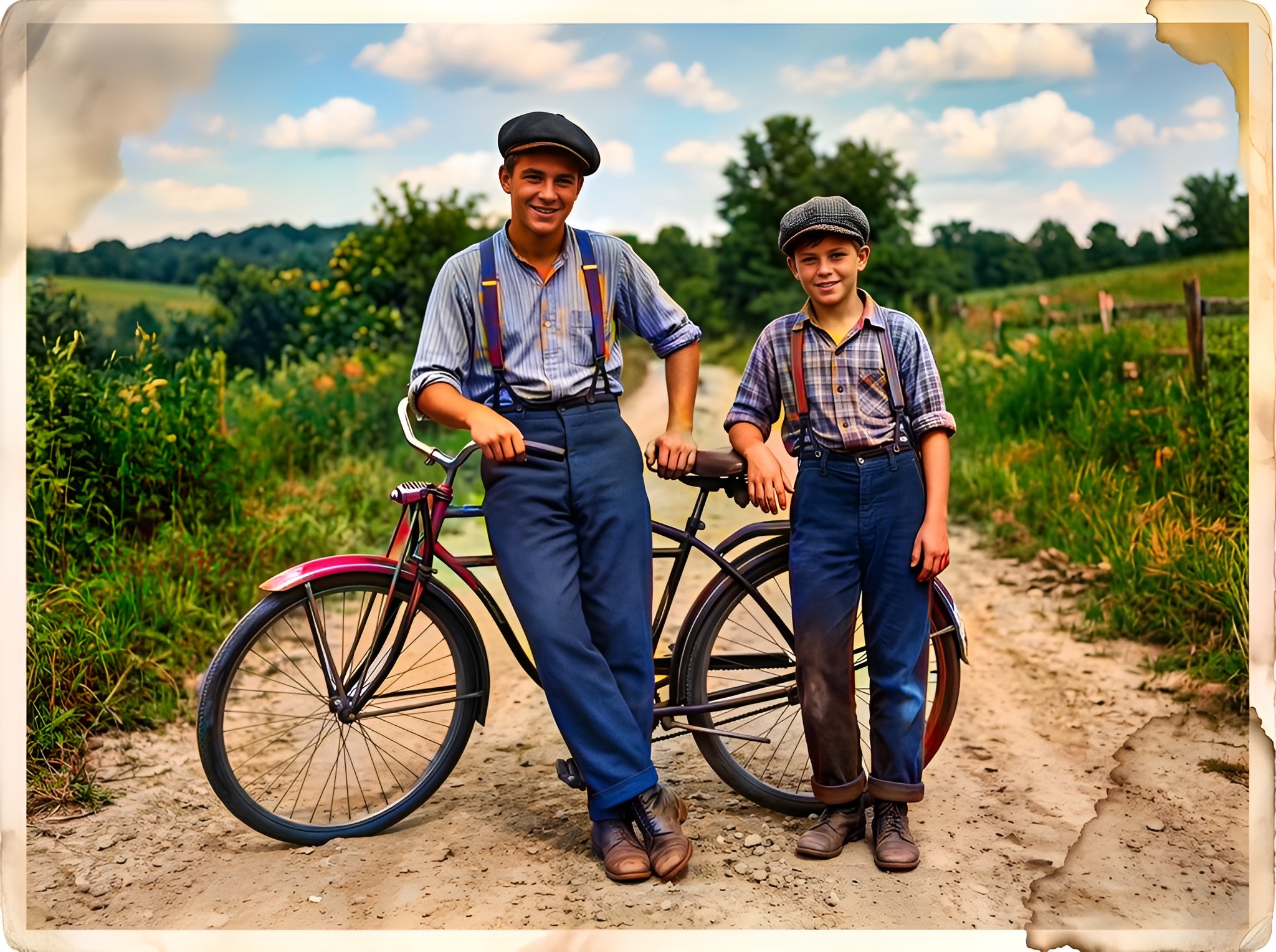 Effortless Archiving: Batch Restoring Your Entire Family Album in Minutes
Batch AI old photo restoration for collectors and studios — repair damaged photos across hundreds of scans and enhance picture quality at 10 seconds per frame vs. 2 hours manual retouching.
 In the Age of AI, Who Owns Your Family Memories? Our Privacy 3.0 Manifest
AI old photo restoration without surrendering your archive — Pixomax Privacy 3.0 explains encryption, zero training retention, and why we never repair damaged photos to feed public models.
Compare tools in our AI photo colorizer comparison table or browse the colorization glossary.